Critical for industrial Success
Mechanical engineering continues to play a critical role in Germany's industrial success, from automation systems and robotics to sustainable energy and next-generation mobility. We partner with innovative employers across the country, connecting experienced engineers with opportunities where they can apply their expertise, develop new skills and contribute to cutting-edge technologies.
Beginning your career in Mechanical Engineering
Expert advice from Associate Director, Kumar Gawri
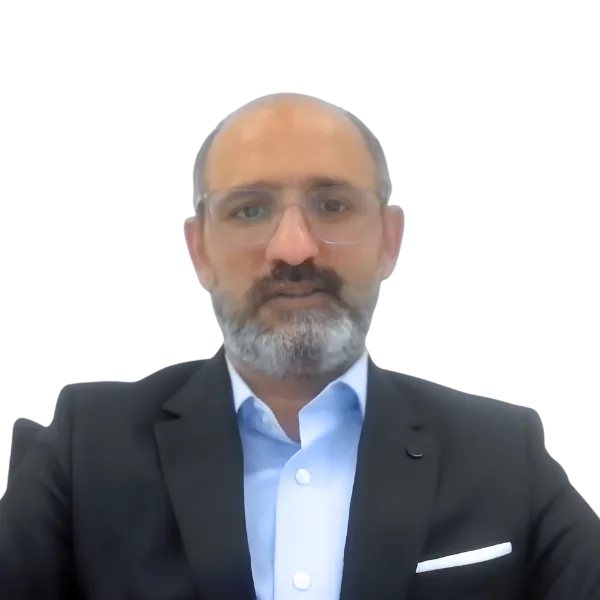
Similar to Electrical engineering careers - two routes are well established. A university degree in Maschinenbau, at Bachelor's or Master's level, leads toward the protected Ingenieur title. Germany's dual vocational training system, Ausbildung, combines company-based training with vocational college and leads to a Techniker qualification - a genuinely respected route into mechanical engineering, especially on the manufacturing and maintenance side.
Strong mechanical engineering fundamentals remain the foundation of the profession, but employers increasingly look for engineers who can combine technical expertise with an understanding of modern manufacturing and product development environments. As engineering projects become more connected and multidisciplinary, collaboration and systems thinking are becoming just as important as traditional design skills.
- CAD & Engineering Simulation: proficiency with design, modelling and CAE tools used to develop, test and optimise components before production.
- Materials & Mechanical Principles: a strong understanding of mechanics, materials behaviour, thermodynamics and performance under real-world operating conditions.
- Manufacturing Knowledge: awareness of production methods, assembly processes and design-for-manufacture principles.
- Problem-Solving & Root Cause Analysis: the ability to investigate technical issues, identify failures and implement practical engineering solutions.
- Project & Stakeholder Management: coordinating with production, procurement, quality, electrical engineering and software teams throughout the product lifecycle.
- Engineering Standards & Compliance: familiarity with DIN, ISO and industry-specific standards that govern design, quality and safety requirements.
- Automation & Digital Engineering: growing demand for engineers who can work alongside robotics, digital manufacturing and Industry 4.0 technologies.
- In a manufacturing-led economy, engineers who can bridge design, production and automation are particularly well positioned. Experience with advanced manufacturing processes, product development and cross-functional engineering teams is increasingly valued by employers across automotive, industrial machinery, robotics and energy sectors.
Germany's mechanical engineering sector remains one of Europe's largest and most technologically advanced, creating consistent demand for engineers across manufacturing, automation, energy, mobility and industrial equipment. Salary levels reflect both the scale of the market and the value placed on experienced technical expertise, with a clear progression from graduate and design engineering roles through to specialist, lead and engineering management positions.
| Seniority Level | Typical Permanent Salary |
| Graduate / Junior Mechanical Engineer | €45,000 – €54,000 |
| Mechanical Engineer | €50,000 – €72,000 |
| Senior Mechanical Engineer | €62,000 – €92,000 |
| Principal / Lead Mechanical Engineer | €80,000 – €108,000 |
| Engineering Manager / Chief Engineer | €85,000 – €128,000 |
Germany's strongest mechanical engineering markets are closely tied to the industrial and manufacturing bases. Stuttgart and Munich continue to offer some of the most attractive opportunities, driven by demand across automotive, industrial automation, machinery, aerospace and advanced manufacturing. Frankfurt benefits from a mix of engineering, energy and corporate-led organisations, while opportunities in Berlin tend to be concentrated around hardware innovation, technology-driven product development and emerging industrial technologies.
| Seniority Level | Typical Permanent Salary |
| Munich & Bavaria | €54,000 – €78,000 |
| Berlin | €50,000 – €73,000 |
| Frankfurt & Rhine-Main | €50,000 – €78,000 |
| Stuttgart & other major hubs | €60,000 – €90,000 |
| Regional Germany | €42,000 – €65,000 |
Mechanical engineering also maintains a well-established freelance engineering market, with contractors typically commanding €50-€130+ per hour, depending on experience, technical specialism and project scope. Specialists in areas such as CAD design, finite element analysis (FEA), automation, robotics, CNC manufacturing and regulatory compliance are often among the most sought-after contractors.
Mechanical engineering offers a wide range of progression routes, with opportunities to move deeper into technical specialisms, lead complex engineering programmes or step into broader management positions. As engineers gain experience, the focus typically shifts from delivering individual designs to influencing products, processes and wider business outcomes.
Junior to Mechanical Engineer: developing core engineering knowledge, building experience with design, manufacturing and project delivery, and gaining exposure to real-world engineering environments.
Mechanical Engineer to Senior Engineer: taking ownership of increasingly complex systems, products or production challenges while contributing more directly to technical decision-making.
Senior to Lead Engineer: driving design reviews, overseeing technical delivery and mentoring colleagues across multidisciplinary engineering teams.
Technical track: progressing into Principal Engineer, Senior Specialist or Chief Engineer roles focused on innovation, product development and engineering excellence.
Leadership track: moving into Engineering Manager, Head of Engineering or technical leadership positions with responsibility for teams, budgets and strategic direction.
The most sought-after senior professionals often combine strong mechanical engineering expertise with knowledge of automation, robotics, advanced manufacturing or sustainable engineering. As Germany continues to invest in smart factories, electrification and next-generation industrial technologies, these skills can open the door to a broader range of specialist and leadership opportunities.
Mechanical Engineer Career progression
Expert advice from Country Director, Jo Callaghan

Mechanical engineering covers several established branches: thermodynamics and energy systems, manufacturing and production engineering, automotive engineering, aerospace engineering, and HVAC. Alongside these, robotics and automation, electric vehicle engineering, and sustainability-focused engineering have grown into full specialisms, particularly as German manufacturing continues shifting toward electrification and automated production.
Between the established branches and the emerging ones, mechanical engineering covers a genuinely wide set of careers - from a single-component design specialist to someone managing an entire automated production line.
Germany doesn't use a chartered-status system the way some other countries do. As with electrical engineering, the title Ingenieur - here, Maschinenbauingenieur - is legally protected, and using it requires a recognised engineering degree. That's the clearest formal line in a German mechanical engineering career, rather than a separate chartered qualification sitting on top of it. Beyond the degree itself, progression tends to depend on project experience and specialism.
- Build experience in one branch or emerging field - automotive, robotics, sustainability engineering - rather than staying general; depth is what most employers are hiring for.
- Keep a clear record of the machines and projects you've worked on, not just job titles; German employers tend to ask about specific project experience first.
- Be clear on your CV about your qualification route, Ingenieur or Techniker, since roles are often looking for one specifically.
- Work with a recruiter who understands the German engineering market and how manufacturing, automotive and emerging fields differ, rather than applying broadly
Robotics, automation and simulation-driven design are changing where mechanical engineers spend their time, particularly across German manufacturing. Simulation software now lets a design get tested and refined before a physical prototype is ever built, cutting down the trial-and-error that used to sit at the centre of mechanical design work. Alongside that, sustainability-focused engineering is becoming a genuine specialism rather than a compliance afterthought, as manufacturers redesign machines and processes around lower energy use and material waste.
Mechanical engineers are in demand across many of Germany's most important industries, from advanced manufacturing and mobility to automation and sustainable engineering. As organisations invest in smarter production systems, electrification and next-generation technologies, opportunities continue to expand for engineers with strong design, manufacturing and systems expertise.
- Automotive & Mobility:
Developing vehicle components, manufacturing processes and technologies supporting the transition to electric and autonomous mobility. - Industrial Machinery & Equipment:
Designing and improving the machinery, production systems and engineering solutions that underpin Germany's manufacturing sector. - Aerospace & Aviation:
Working on high-performance mechanical systems where precision, reliability and safety are paramount. - Robotics & Automation:
Developing the mechanical systems behind automated production lines, robotics platforms and smart factory initiatives. - Energy & Sustainable Engineering:
Supporting energy-efficient technologies, renewable energy projects and the development of more sustainable industrial processes.
Many of the most exciting roles sit within organisations investing in advanced manufacturing, automation and product innovation, where mechanical engineers work alongside electrical, software and systems specialists to bring complex technologies to life.
What our candidates say
A very professional team that quickly delivers suitable candidates. Communication is transparent and reliable - highly recommended!
Technology Client
A very professional team that quickly delivers suitable candidates. Communication is transparent and reliable - highly recommended!
Candidates Technology Client